
QUALITY AND SUSTAINABILITY
Quality and safety of flavours and food ingredients
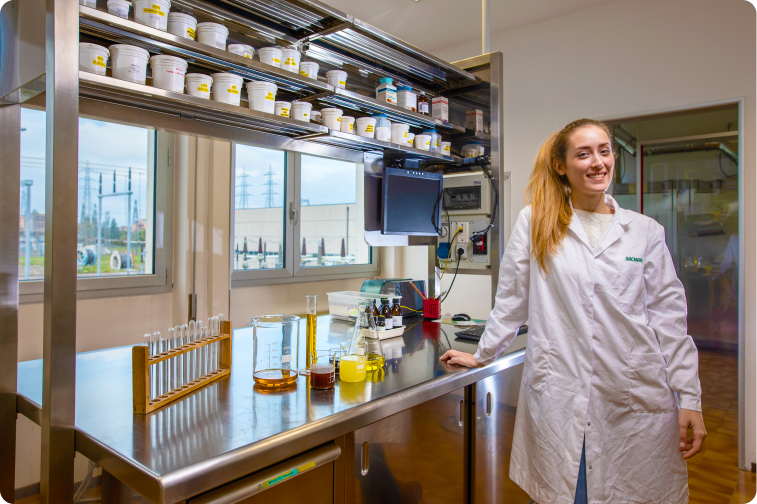
At SACMAR, quality is part of every stage of our work: from the selection of raw materials to the development of flavours and food ingredients, through to production and checks on the finished product.
We combine technical expertise, laboratory analysis and control procedures to meet food safety requirements and the needs of different applications. Instrumental analysis and our in-house microbiology laboratory support the verification of raw materials and products. Our team also supports customers in assessing the technical and regulatory requirements of their target markets.
Alongside this commitment, we pay attention to people, the use of resources and the environmental impact of our activities, with the aim of improving our processes and business practices over time.
Certifications and memberships
Food safety and product certifications
FSSC 22000 certification supports our commitment to food safety management. We also offer certified organic, kosher and halal references to meet the needs of different products and markets. Membership of IFEAT and Federchimica fosters dialogue with the sector and keeps us up to date on technical and regulatory issues.
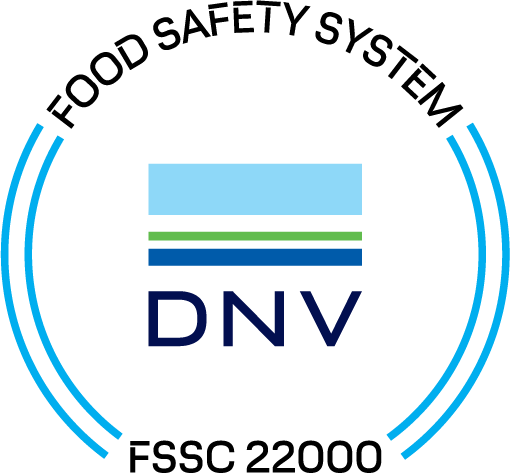
FSSC 22000

EU organic certification

Kosher certification

Halal certification

IFEAT membership

Federchimica membership
Sustainability
SACMAR’s sustainability commitments
We see sustainability as a path of improvement involving production, organisation and people. Our priorities are the responsible use of resources, waste prevention and greater environmental awareness.

- Carbon footprint: improve the monitoring of emissions related to company activities and identify opportunities for reduction.
- Energy: promote energy efficiency and the use of energy from renewable sources.
- Packaging and waste: reduce the use of packaging materials, while meeting product protection and safety requirements, and improve waste management.
- Production processes: optimise planning and batch sizes to limit waste and loss of raw materials.
- Training: develop people’s skills and involvement in sustainability and the responsible use of resources.